
Health Coaching: Leading Individuals Toward Well-Being and Assurance
Health coaching draws in those enthusiastic about assisting others in making significant lifestyle shifts, increasing their energy, and boosting their self-assurance in their bodies. Situated at the crossroads of behavior modification, health education, and supportive accountability, health coaches have the chance to make a positive difference in clients’ lives without judgment, promoting genuine progress in their day-to-day activities.
The path to becoming a health coach can seem daunting at first due to the numerous certifications, program offers, and specialized areas. Nonetheless, with an organized strategy, you can convert your enthusiasm into a sustainable career that corresponds to your strengths, availability, and financial aspirations.
Define Your Motivation and Vision
A thriving career in health coaching begins with sincere self-assessment. This field demands patience, emotional involvement, and continuous support, which are easier to nurture when you have a clear comprehension of why this work matters to you.
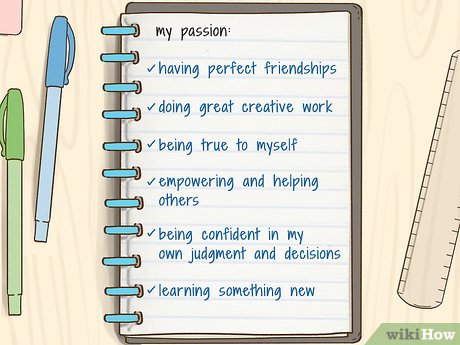
Take the opportunity to express your motivations for following this path. Perhaps you have experienced your own health transformation and wish to assist others on a similar path, or maybe persistent health issues in your family have motivated your interest in preventive measures. Whatever your reasons, recognizing these drives will serve as a guiding compass when confronted with challenging choices later.
Visualize your future role by contemplating the types of clients you want to help, the issues you wish to tackle, and your ideal daily work routine. Whether through individual sessions, group programs, or corporate wellness initiatives, this initial vision will facilitate the selection of training programs and business models that resonate with your personality.
Establish a Robust Knowledge and Certification Track
For clients and collaborating organizations, it is vital to collaborate with coaches who possess a comprehensive understanding of human behavior and essential health science. A well-defined learning pathway guarantees client safety and enhances your self-assurance. Most novice coaches start with general wellness training and eventually pursue more specialized programs as their interests develop.
Investigate certifications from credible institutions like brookbushinstitute.com and similar programs that combine scientifically based materials with practical coaching techniques. This method transforms your education into a well-organized learning experience instead of an assortment of inconsistent workshops.
Look for training that incorporates behavior change frameworks, coaching ethics, motivational interviewing, fundamentals of nutrition, stress management, and essential movement principles. Ensure that the program provides supervised practice or evaluations on real sessions, as practical experience is crucial, not merely theoretical knowledge.
Recognized qualifications are critical. Seek out programs recognized by national boards, professional organizations, and potential employers to create opportunities rather than limit them.
Cultivate Practical Coaching Abilities Early
Transformational change hinges on your capacity to listen, pose thoughtful questions, and direct discussions effectively. Develop these abilities through early practice rather than waiting until you feel completely “prepared.”
Participate in role-playing with your training group, then advance to volunteer sessions with community members or friends who know you are still in the learning phase. Build rapport with clients, reflect on what you hear, and assist them in setting small, attainable goals instead of delivering lengthy lectures. Be mindful of how individuals respond to your tone and pacing.
Record practice sessions when possible and review them to spot patterns, like how frequently you interrupt, the openness of your inquiries, and your employment of silence. Minor adjustments can greatly enrich the depth of a session.
Select a Niche and Ideal Client Profile
Although general health coaching skills are widely applicable, establishing a niche can help you differentiate yourself and attract clients who greatly need your expertise. Potential niches may include stress management for professionals, pre and postnatal care, behavioral changes for busy parents, active aging, or performance enhancement for amateur athletes.
Consider the issues you comprehend deeply and the communities you naturally connect with. Your personal experiences can foster empathy, as long as you recognize each client’s distinct journey. A niche helps direct your marketing and program development during the initial stages but does not permanently restrict you.
Create an ideal client profile, outlining age range, work patterns, family dynamics, and primary challenges. This profile will assist you in customizing your services, content, and communication to be more pertinent.
<h2 id