
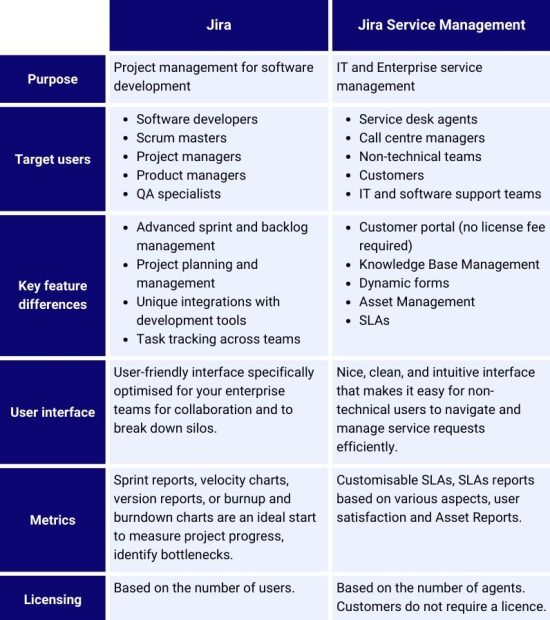
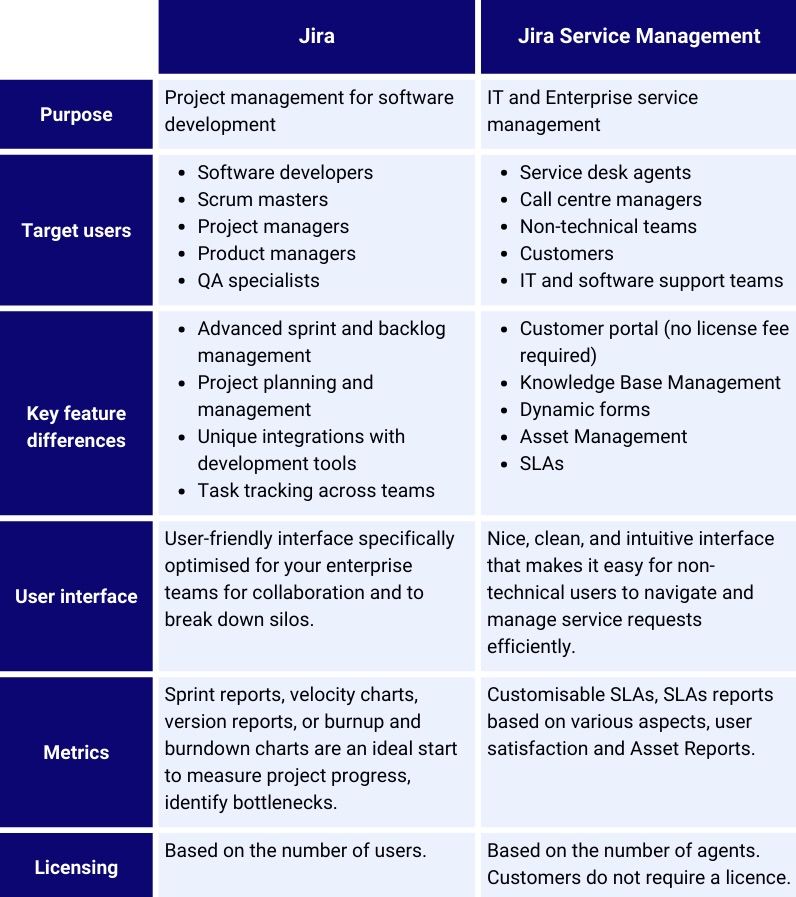
Choosing an IT service management (ITSM) platform has evolved beyond being solely an IT decision—it’s a crucial business choice that impacts productivity, service excellence, and long-term expenses. Atlassian Jira Service Management (JSM) is a favored selection, particularly for organizations already utilizing Jira Software or Confluence. Its adaptability and alignment with DevOps are attractive features, yet they do not inherently render it the most suitable option for every organization.
Thus, a methodical Atlassian Jira Service Management compare strategy is vital. By dispassionately assessing JSM against other ITSM platforms, organizations can identify which solution most effectively facilitates their workflows, governance requirements, and growth objectives—while avoiding unwarranted complexity or expenditures.
Reasons Organisations Compare Jira Service Management
Widespread Adoption, Varied Requirements
JSM sees extensive utilization across various sectors, but organizations differ greatly in scale, maturity, and regulatory demands. What proves effective for a development-focused team may be unsuitable for a compliance-driven enterprise or an expanding mid-sized firm.
Harmonizing Flexibility and Oversight
JSM provides a vast array of configuration choices, which can either be advantageous or detrimental. Teams frequently compare platforms to achieve the ideal equilibrium between flexibility and pre-configured structure.
Considerations for Long-Term Value
Initial licensing expenses represent just one facet. Implementation efforts, administrative burdens, and scalability factors all play a role in the overall cost of ownership—crucial elements in any substantial comparison.
Essential Areas to Assess in a Jira Service Management Comparison
ITSM Features and Level of Development
Begin with the basics. Any ITSM platform option should offer strong support for:
- Incident, problem, and change management
- Request fulfillment and self-service portals
- SLA monitoring, reporting, and dashboards
Move beyond feature lists to evaluate the maturity and intuitiveness of these functionalities in everyday application.
User Engagement and Adoption
High levels of adoption lead to improved service results. Platforms that feature clear interfaces, straightforward request processes, and intuitive self-service portals usually perform better with non-technical users, decreasing friction and support load.
Customization vs. Ready-to-Use Value
JSM’s high configurability aligns well with teams that have the resources and expertise to customize workflows. Conversely, alternatives might emphasize ITIL-compliant best practices in their default offerings, providing quicker value with minimal configuration requirements.
Integration and Automated Processes
Contemporary ITSM platforms must integrate effortlessly with identity management, endpoint tools, monitoring solutions, and HR systems. Built-in automation—like ticket routing, approvals, and notifications—can greatly enhance operational efficiency.
A number of organizations conduct a comprehensive Atlassian jira service management compare to evaluate how JSM measures up against other ITSM offerings based on these criteria.
Key Advantages of Jira Service Management
Integration with the Atlassian Ecosystem
JSM integrates seamlessly with Jira Software and Confluence, facilitating close collaboration among IT, development, and business teams. This is especially beneficial for organizations deeply integrated within the Atlassian ecosystem.