
**Maintaining Funds Overseas: Advantages and Disadvantages for U.S. Investors**
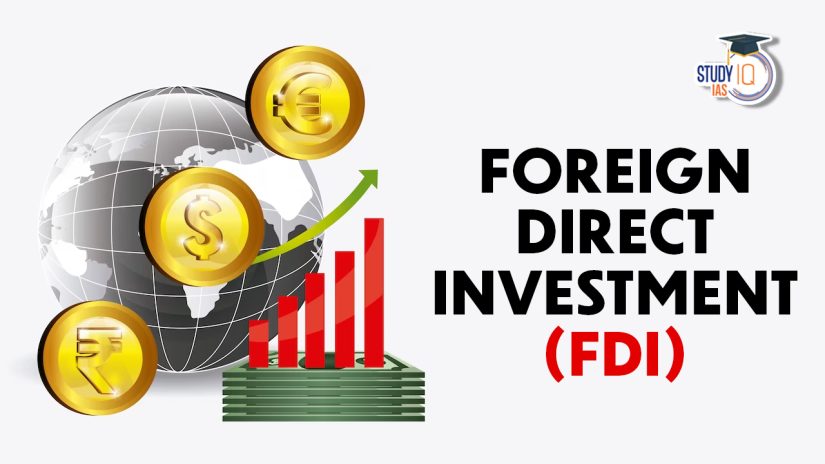
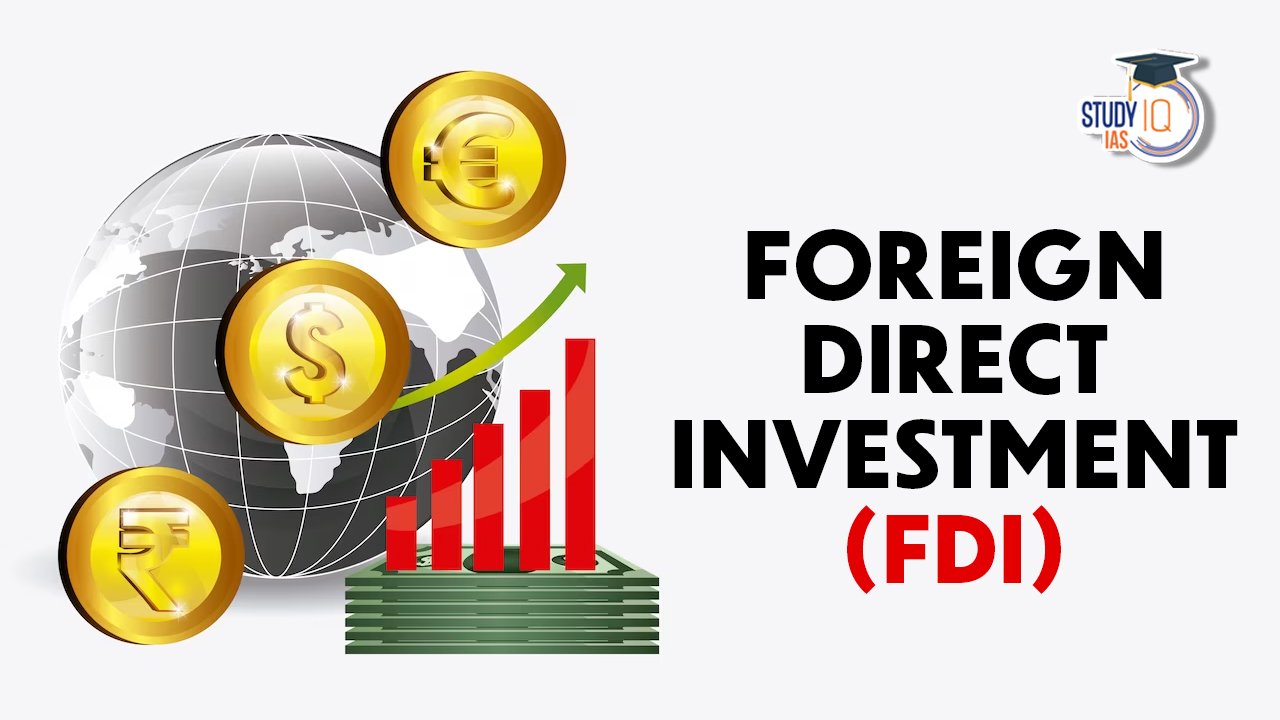
In the contemporary global economy, U.S. investors have a plethora of chances to enhance their portfolios through overseas investments. Maintaining funds overseas can present a variety of advantages, but it also entails its unique set of complications and hazards. Below, we examine the advantages and disadvantages of maintaining funds overseas for U.S. investors.
**Advantages of Maintaining Funds Overseas:**
1. **Portfolio Diversification:**
– Investing in international markets facilitates diversification that extends beyond the U.S. economy. This can alleviate risk since various nations and markets typically display different performance patterns over time.
2. **Access to Growing Markets:**
– By maintaining funds overseas, investors can benefit from the swift growth potential of emerging markets, which frequently yield higher returns compared to established nations.
3. **Currency Protection:**
– Holding foreign currencies can safeguard against the depreciation of the U.S. dollar. It offers the chance to profit from currency variations if the investor’s base currency deteriorates.
4. **Tax Advantages:**
– Certain countries provide appealing tax conditions for foreign investors, which may lessen the overall tax load. Specific tax agreements could yield benefits when dealing with international investments.
5. **Exposure to Political and Economic Variability:**
– Keeping funds in various jurisdictions can minimize exposure to political unrest or economic downturns in the U.S., potentially preserving wealth.
**Disadvantages of Maintaining Funds Overseas:**
1. **Regulatory Hurdles:**
– Adhering to diverse regulatory mandates across different countries can be intricate and labor-intensive. U.S. investors must also comply with U.S. tax regulations, such as FATCA, complicating foreign investments.
2. **Currency Exposure:**
– Although currency exposure can be advantageous, it can also introduce risk. If the U.S. dollar appreciates against foreign currencies, the worth of international investments might decrease when converted back to dollars.
3. **Political and Economic Hazards:**
– Investing abroad exposes investors to the political and economic hazards of that nation, such as instability, shifts in governmental policies, or economic recessions.
4. **Increased Transaction Expenses:**
– International investments frequently involve elevated transaction and management costs. These expenses can diminish the gains from overseas investments over time.
5. **Access to Information Challenges:**
– Foreign markets may lack transparency, and investors could encounter difficulties in obtaining reliable information regarding their investments or the regulatory landscape.
**Final Thoughts:**
Maintaining funds overseas can provide U.S. investors with substantial opportunities for diversification and possible growth, particularly in emerging markets. Nevertheless, the intricacies of international law, currency exposure, and increased political and economic risks demand thorough planning and oversight. Investors contemplating foreign investments should consider these elements and potentially seek expert guidance to refine their international investment approach.