
In [Part 1](https://thedividendguyblog.com/investment-themes-2026-1/), we examined the significant transformation for 2026: AI has progressed from being merely technological to a macroeconomic force, instigating a capex surge that impacts investment, supply chains, financing, and the physical constraints of the economy.
Now, we delve into the subsequent effects. Once you perceive AI as a macro element, you need to inquire: Where will the money flow next? What fails first? Which segments of the economy will be restored out of necessity?
Key themes for 2026:
### Energy and AI
AI’s increasing energy needs render energy a critical concern, accelerating annual power growth from approximately 2% to around 4%. If this trend persists, we will require double the current generating capacity in two decades. The pressure is not uniform, as certain areas are more severely affected. AI amplifies demand, resulting in competition for resources among data centers, residences, and industries.
The current situation involves two phases:
– **Near-term:** Requirement for more “reliable, available” energy (oil & gas are essential).
– **Long-term:** Significant investments necessary for a resilient power framework.
This facilitates growth in sectors such as:
– **Utilities:** Demand for grid enhancements.
– **Basic materials:** Scarcity of copper and aluminum.
– **Energy:** Natural gas as a transitional solution for renewables.
– **Utilities + materials:** Uranium benefits from concerns over reliability.
### Infrastructure and Reshoring
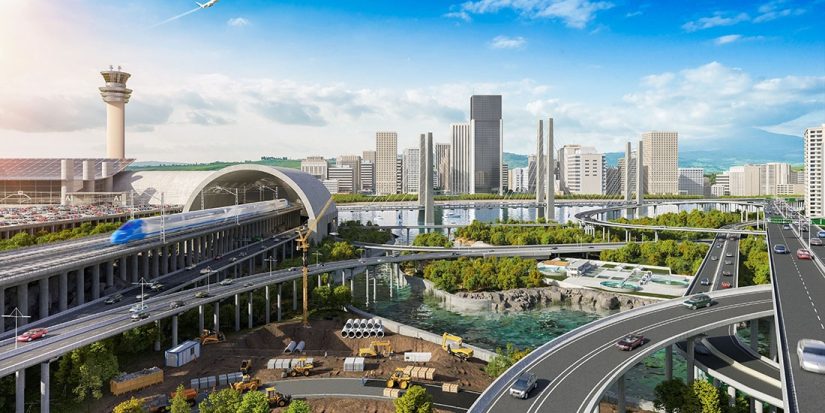
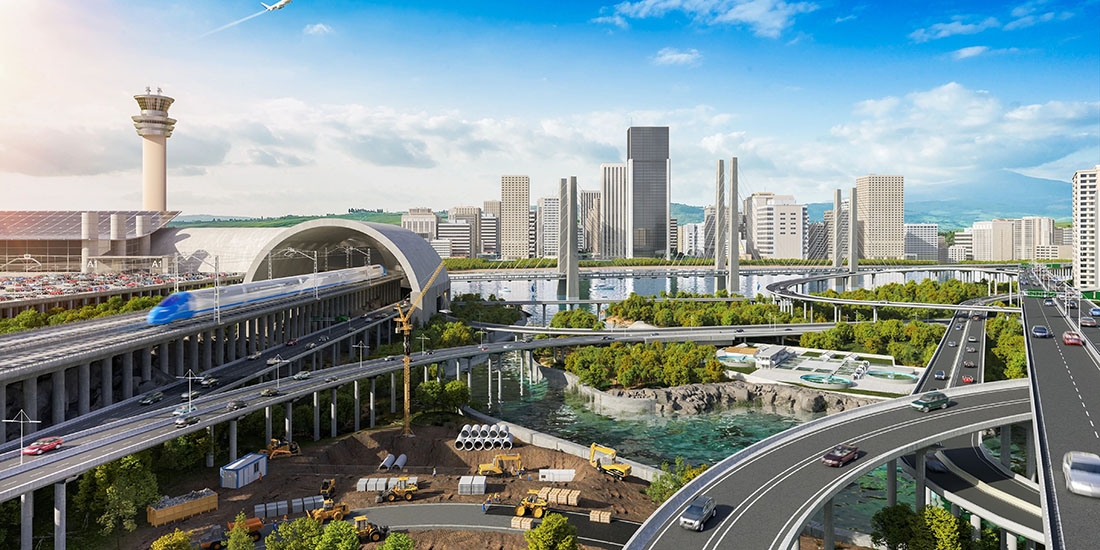
The global landscape is being revitalized—manufacturing returns to North America, infrastructure funding increases, and governments are channeling investments into systems like grids, semiconductors, ports, rail, mining, and energy. This realization stems from disrupted supply chains, energy weaponization, and AI’s energy requirements.
Investments in infrastructure ignite economic activity, affecting:
– **Construction**
– **Industrial firms:** Engaged in the production of goods & equipment.
– **Engineering firms:** Managing projects from inception to maintenance.
Numerous businesses exhibit considerable backlogs, reflecting demand, and transportation companies are likely to gain from renewed capex allocations.
### Private Markets and Asset Managers
Cycles of rebuilding present financing prospects, as large undertakings necessitate patient capital. Alternative asset managers are pivotal, providing cash flow streams and yields of 5–7% above inflation. Private credit and equity are crucial, particularly with banks limited and companies seeking adaptable terms.
While being cautious regarding the ascent of private equity, firms like Brookfield and Blackstone offer prospects despite the complexities and risks involved.
### Gold and Debasement
Gold is experiencing renewed importance amidst concerns of currency debasement. Central banks are acquiring gold to protect against increasing deficits, rising debt responsibilities, and challenges associated with currency regimes. Incentives encourage diversification away from exclusive reliance on the U.S. dollar, with gold providing value devoid of counterparty risk.
Does this alter a dividend portfolio? Fundamentally, no, but it indicates the need to focus on:
– **Gold producers with robust balance sheets**
– **Royalty companies generating stable cash flows**
– **Profitable mining enterprises**
A strong dividend can render gold a feasible asset within a portfolio.
### Full 2026 Playbook
Grasping themes isn’t sufficient; it’s essential to implement them wisely without straying from your strategy.
The [webinar replay on 2026 investment themes](https://my.demio.com/recording/0g2i4VVS) provides insights into pivotal themes (AI, energy, infrastructure, gold), portfolio adjustments, and premier selections.
### Final Thoughts
2026 revolves around maintaining discipline amid substantial market evolution. The best defense is a clear process: “Know what you own and know why you own it.” — Peter Lynch
Remain invested, diversified, and focused on quality.