
**Businesses Encounter Responsibilities and Opportunities in Renewable Energy Implementation**
As renewable energy expands swiftly on a global scale, companies face significant responsibilities alongside valuable commercial prospects. However, the integration of renewable power brings about structural limitations due to the unpredictability of renewable generation, which is affected by climatic and daylight factors. Battery storage is vital in mitigating these limitations by saving excess electricity when supply exceeds demand and discharging it during peak demand or lower generation periods. Here, we examine the business significance of battery storage in promoting renewable energy integration.
**BESS Defined**
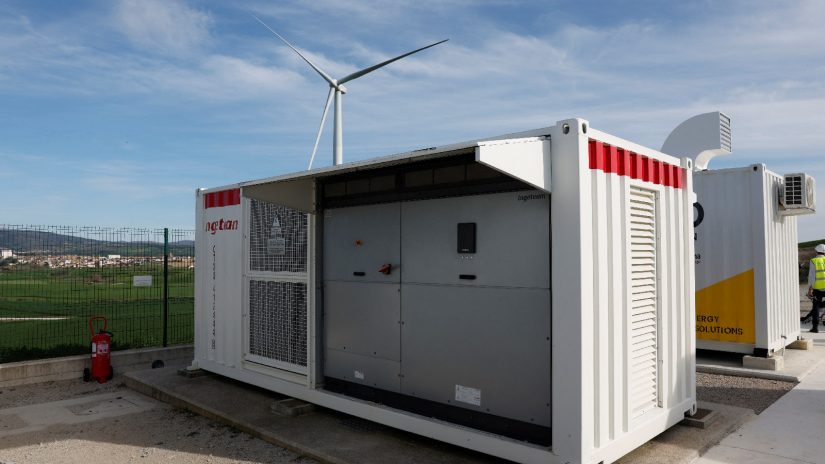
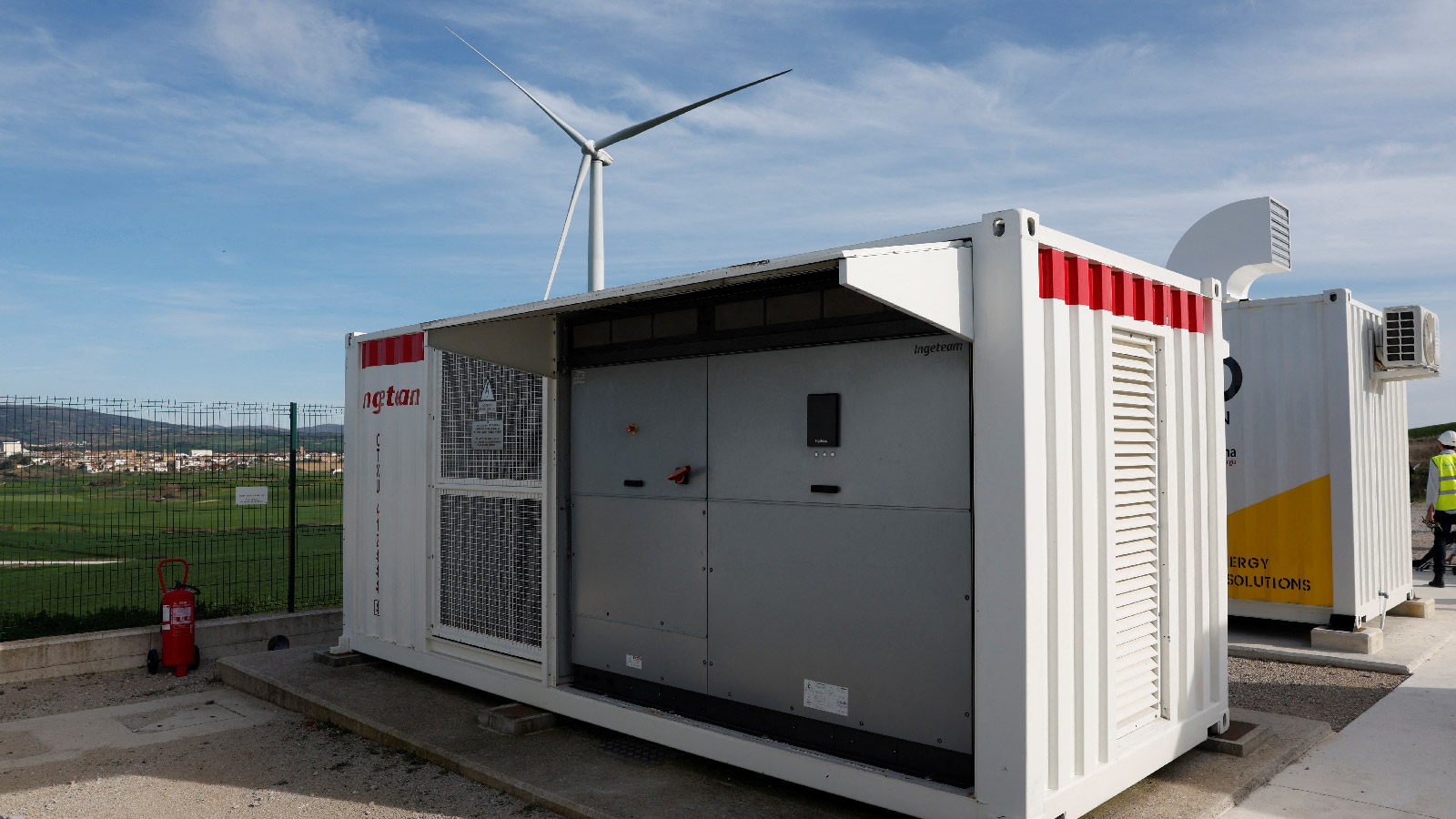
Battery Energy Storage Systems (BESS) provide a viable solution for handling the variability of renewable sources. These systems accumulate electricity generated by wind and solar, releasing it when their production diminishes. This feature not only minimizes curtailment but also stabilizes supply consistency. Grid operators and energy purchasers can more confidently depend on renewables with the assistance of storage systems.
**The Business Advantages of Battery Storage**
Large-scale battery storage delivers considerable business benefits, complementing system-wide gains. Businesses achieve enhanced control over energy exposure, while grid operators experience greater operational adaptability. These results strengthen the financial viability of renewable initiatives and elevate energy network functionality.
Battery storage also enhances grid dependability by leveling out short-term supply and demand variations. It provides extra capacity during peak times and serves as a backup when renewable generation declines, alleviating grid pressure and ensuring service continuity in today’s energy-dependent environment.
**Operational Effectiveness and Cost Management**
Battery storage assists in cost management by shifting consumption from high to low price periods. Organizations can charge storage systems when prices are low and utilize them during elevated price times, improving budgeting and minimizing exposure to price fluctuations.
Additionally, battery storage promotes energy independence by decreasing dependence on external supplies during constrained periods. This operational oversight aids in continuity planning and lowers risks from market disruptions.
**Battery Storage and Corporate Accountability**
Battery storage aligns with sustainability commitments by advancing higher renewable utilization and lessening reliance on fossil generation during peak times. Organizations that implement storage technologies enhance their climate credentials through concrete improvements in energy sourcing and reductions in emissions. Stakeholders regard these investments as credible commitments when organizations present clear targets and performance evaluations.
**Drawing Investment**
Battery storage garners substantial investments as it enhances grid stability and renewable growth. Investors increasingly consider storage as a critical component of contemporary energy infrastructure. Developers, utilities, and technology providers continue to expand projects as costs decline and performance enhances.
**Accelerating the Renewable Shift**
The shift towards renewables is hastened by the alignment of policy, economic factors, and corporate objectives. Battery storage is essential in this transformation, improving the usable proportion of renewable generation and its reliability. It also lessens dependence on fossil generation typically utilized for peak demands and shortfalls.
Continued advancements in battery technology concerning efficiency, affordability, and scalability propel BESS deployments beyond initial adoption phases. These systems are now central to conventional grid strategies and significant energy users, facilitating a future energy framework where renewables compete on reliability and cost.
**Conclusion**
Battery storage has a well-established role in promoting renewable energy adoption. By embracing storage, businesses can boost resilience, effectively manage costs, and advance sustainability objectives through tangible operational modifications. The wider implementation of storage systems can strengthen energy infrastructures, contributing to a more secure and sustainable power landscape.